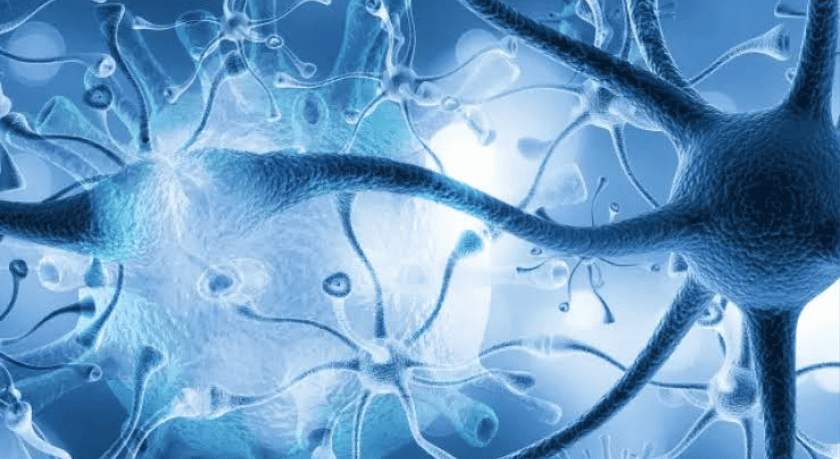
At Nordex Peptides, we believe scientific knowledge is the foundation of quality research. Our Science & Education hub is designed to help researchers better understand peptides, their biological significance, and the laboratory principles behind modern peptide research.
Explore educational resources covering peptide science, research applications, quality standards, and best laboratory practices—all presented in an easy-to-understand format.
Not for human consumption
Peptides are short chains of amino acids that play an essential role in biological systems. In research environments, they are studied for their interactions with specific cellular pathways, receptors, and biological processes.
Scientists continue to investigate peptide compounds to better understand cellular communication, protein signaling, tissue regeneration, metabolism, and many other areas of biomedical research.

Peptides consist of amino acids linked together in precise sequences that influence their biological characteristics and research applications.

Many peptides are researched for their ability to interact with specific receptors and cellular pathways under controlled laboratory conditions.

Peptides are widely used in scientific studies involving metabolism, cellular biology, regenerative research, and molecular signaling.

Research involving peptides is conducted in controlled laboratory settings using validated scientific methods and quality standards.
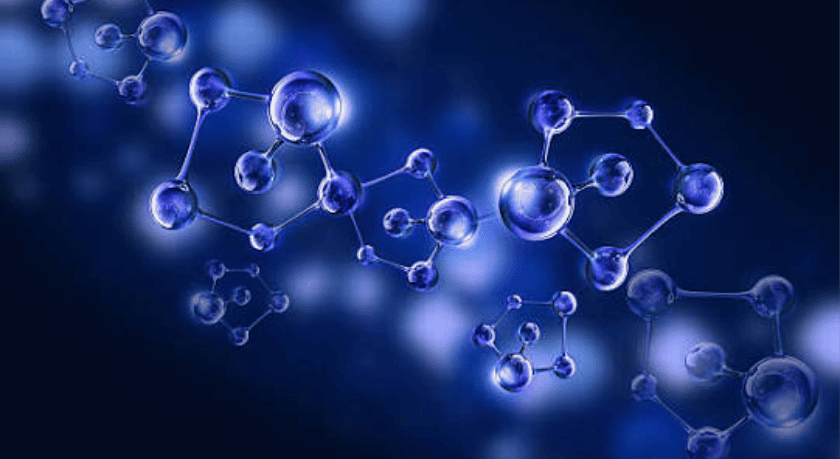
The structure of a peptide determines how it interacts within biological systems. Understanding amino acid sequences helps researchers study function, stability, and molecular behavior.
Researchers investigate how peptides communicate with cells, activate receptors, and influence biological pathways to better understand complex physiological processes.
Modern peptide research relies on controlled laboratory experiments, reproducible testing methods, and scientific analysis to generate reliable data.
High-quality research begins with high-purity compounds. Every batch should undergo rigorous testing to verify identity, purity, and consistency before laboratory use.

Researchers study peptides to better understand metabolism, energy regulation, glucose pathways, and cellular function.

Scientific investigations explore how peptides may influence cellular repair processes, tissue regeneration, and recovery mechanisms.

Research continues to examine peptide interactions within neurological pathways related to memory, learning, and brain function.

Scientists investigate peptides for their potential role in supporting cellular maintenance and age-related biological processes.

Peptides are also studied for their interactions with immune signaling pathways and their role in cellular communication.
At Nordex Peptides, we are committed to supporting the scientific community by providing high-quality research compounds and educational resources. We believe that transparency, quality assurance, and continuous learning are essential for advancing responsible scientific research.
Browse our carefully selected range of premium research peptides, manufactured with strict quality standards and supported by comprehensive product documentation.